Fresnel Lenses VR: Traditional VR Gaming Optics Analysis
Have you ever been completely immersed in a virtual world, only to be slightly pulled back by a nagging visual imperfection? Something that reminds you that you're still wearing a headset, not actually traversing alien landscapes or battling dragons? It’s a common experience in VR, and a lot of it boils down to the tech powering the visuals – specifically, the lenses.
Many VR enthusiasts wrestle with certain visual artifacts that can take away from the overall experience. Issues like god rays, screen door effect, and limited clarity outside the sweet spot can sometimes make extended VR sessions less enjoyable than they should be. These imperfections, while often subtle, can become glaring distractions during crucial gaming moments or immersive cinematic experiences.
This article dives deep into the world of Fresnel lenses, the current standard for optics in many VR headsets, particularly those geared towards traditional VR gaming. We'll explore how they work, what advantages they offer, and, perhaps more importantly, what limitations they present. We'll also delve into how these optical choices impact the overall VR gaming experience, and what the future might hold for improved VR visuals.
In essence, we're taking a critical look at the "eyes" of your VR headset. We'll unravel the science behind Fresnel lenses, discuss their impact on visual fidelity (including artifacts like god rays and the screen-door effect), and explore alternative lens technologies that might pave the way for clearer, more immersive VR experiences. Get ready to understand the trade-offs involved in current VR optics and where the future of VR visuals might be headed.
My First God Ray Encounter: A VR Awakening
I remember the first time I really noticed god rays. I was playing a space combat simulator, totally lost in the dogfight. Lasers were firing, explosions were rocking my virtual cockpit, and then... these bright streaks of light started appearing around the brighter objects in the scene. It was like someone had smeared Vaseline on my glasses, but only where the light was most intense. At first, I thought it was a graphical glitch in the game, but after some research, I discovered the infamous "god rays" were a common artifact of Fresnel lenses. It was a bit of a VR awakening – a realization that the amazing immersion wasn't quite perfect. These lenses, designed to be thin and lightweight, have concentric rings that act as individual prisms, focusing the light onto your eyes. The trade-off for this compact design is the potential for these light scattering effects. The distance between your eyes and the lenses, the IPD (Inter-Pupillary Distance) setting, and even the specific VR headset model can all affect how prominent god rays are. The material used to create the lens and the lens coating will also affect how prominent god rays are. Learning about the intricacies of Fresnel lenses has helped me appreciate the engineering challenges involved in creating compelling VR experiences, and to better understand the compromises that are sometimes necessary. However, it also fueled my desire for even better optics in future VR headsets, ones that minimize these distractions and provide a truly seamless visual experience.
What are Fresnel Lenses in VR Headsets?
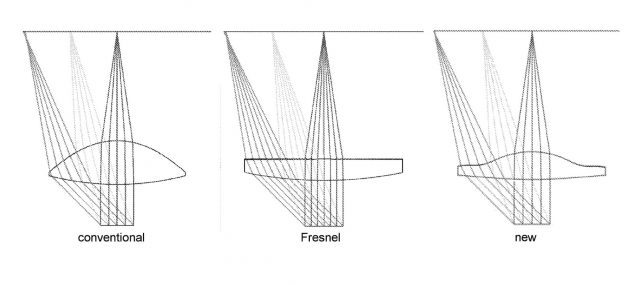
Fresnel lenses in VR headsets are a specific type of lens designed to be lightweight and thin, crucial factors for comfortable and practical VR use. Traditional lenses, like those in eyeglasses, are bulky because they're made of a solid piece of glass or plastic. Fresnel lenses, on the other hand, are constructed from a series of concentric rings, each acting as a miniature prism. This design allows them to achieve the same focal length as a traditional lens but with significantly less material, resulting in a much thinner and lighter profile. In the context of VR, this is incredibly important because the headset needs to be as comfortable as possible to wear for extended periods. The reduction in weight makes a huge difference. However, this unique construction comes with its own set of drawbacks. The most common is the presence of "god rays," which are bright streaks of light emanating from bright objects in the VR scene. These are caused by the diffraction of light as it passes through the edges of the concentric rings. While manufacturers try to minimize these artifacts with special coatings and lens designs, they're still a common occurrence in VR headsets using Fresnel lenses. The trade-off is a thin and light headset with visual imperfections. Beyond god rays, Fresnel lenses can also contribute to a slightly reduced image sharpness, particularly towards the edges of the lens, and can sometimes amplify the "screen door effect" (the visibility of the individual pixels on the VR display). Ultimately, the choice of Fresnel lenses in VR headsets is a balancing act between optical performance, weight, and cost.
A History of Fresnel Lenses and VR
The history of Fresnel lenses goes way back before VR, all the way to the early 19th century with French physicist Augustin-Jean Fresnel. He originally developed these lenses for use in lighthouses, aiming to create powerful, focused beams of light from relatively small and lightweight sources. The ingenious design, with its concentric rings, allowed for much larger and more effective lenses than would have been possible with traditional lens-making techniques. So, how did this technology find its way into VR headsets? The journey is rooted in the need for lightweight and compact optics. Early VR prototypes struggled with bulky and heavy lenses, making them uncomfortable and impractical for extended use. Fresnel lenses offered a potential solution, providing the necessary optical power in a much smaller package. The first VR headsets to adopt Fresnel lenses were met with mixed reactions. While the reduction in weight and size was a definite advantage, users quickly noticed the trade-offs in image quality, particularly the aforementioned god rays. Despite these limitations, Fresnel lenses remained the dominant choice for VR optics due to their favorable weight-to-performance ratio and cost-effectiveness. They offered a viable pathway to creating consumer-friendly VR headsets, paving the way for the immersive experiences we enjoy today. As VR technology advances, alternative lens technologies are emerging, promising to overcome the shortcomings of Fresnel lenses and deliver even clearer and more immersive visuals. However, the historical significance of Fresnel lenses in enabling the modern VR landscape cannot be overstated.
The Hidden Secrets of Fresnel Lens Design
One of the lesser-known aspects of Fresnel lens design is the intricate balancing act that engineers must perform to minimize visual artifacts. It’s not simply about etching concentric rings onto a piece of plastic. The shape, spacing, and angle of these rings are all carefully calculated to optimize light refraction and reduce unwanted effects like god rays and chromatic aberration (color fringing). Manufacturers often employ specialized coatings on the lens surface to further mitigate these issues. These coatings can help to reduce reflections and scatter, improving overall image clarity and contrast. Another hidden secret lies in the manufacturing process. Creating precise and consistent Fresnel lenses requires advanced molding techniques and tight quality control. Even slight imperfections in the lens surface can have a noticeable impact on the VR experience. Therefore, manufacturers invest heavily in high-precision equipment and rigorous testing procedures to ensure that their lenses meet the required standards. The material used to make the lens also plays a critical role. Different types of plastics have different optical properties, affecting how light passes through the lens. The choice of material can influence the severity of god rays, the sharpness of the image, and even the color accuracy of the display. It’s a complex equation with many variables, and engineers are constantly working to refine their designs and manufacturing processes to squeeze every last bit of performance out of Fresnel lenses. Despite their limitations, the ongoing efforts to improve Fresnel lens technology have significantly contributed to the advancement of VR visuals, making the immersive experiences we enjoy today possible.
Recommendations for Optimizing Your Fresnel Lens VR Experience
If you're already rocking a VR headset that uses Fresnel lenses, there are several things you can do to optimize your visual experience and minimize the impact of common artifacts. First and foremost, take the time to properly adjust the headset's interpupillary distance (IPD). This setting controls the distance between the lenses, and it's crucial for aligning the lenses with your eyes. If the IPD is not set correctly, you'll likely experience blurry vision and increased eye strain, which can exacerbate the effects of god rays and other visual distortions. Most headsets have a physical IPD adjustment mechanism, while some use software-based adjustments. Experiment with different settings until you find the one that provides the clearest and most comfortable image. Another important factor is the positioning of the headset on your face. Make sure the lenses are centered directly in front of your eyes and that the headset is snug but not too tight. A loose headset can cause the lenses to shift out of alignment, leading to blurry vision and increased distortion. Cleaning your lenses regularly is also essential. Dust and smudges can scatter light, further contributing to god rays and reducing overall image clarity. Use a microfiber cloth to gently wipe the lenses clean, avoiding harsh chemicals or abrasive materials. Finally, consider the content you're viewing. Certain games and experiences are more prone to triggering god rays than others. Scenes with high contrast or bright light sources can exacerbate the issue. Experiment with different games and settings to find what works best for you and your headset.
Understanding the "Sweet Spot"
The "sweet spot" in VR refers to the area of the lens where the image is sharpest and clearest. With Fresnel lenses, this sweet spot is often relatively small, meaning that only a small portion of the lens provides optimal image quality. Outside of this sweet spot, the image can become blurry or distorted. This is due to the inherent limitations of Fresnel lens design. The concentric rings, while effective at focusing light, can also introduce aberrations and distortions, especially towards the edges of the lens. To maximize your VR experience, it's crucial to position your eyes within the sweet spot. This can be achieved by carefully adjusting the headset's position on your face and ensuring that the lenses are properly aligned with your eyes. Some headsets offer visual cues or alignment guides to help you find the sweet spot. Experiment with different headset positions and adjustments until you find the one that provides the clearest and most comfortable image. Keep in mind that the size and location of the sweet spot can vary depending on the headset model and the individual's eye anatomy. Some people may find it easier to locate and maintain the sweet spot than others. If you're consistently struggling to find or maintain the sweet spot, it may be worth exploring alternative VR headsets with different lens designs or wider fields of view. As VR technology continues to advance, manufacturers are working to improve the sweet spot characteristics of Fresnel lenses and develop new lens technologies that offer a wider and more forgiving sweet spot.
Tips for Cleaning Your VR Headset Lenses
Keeping your VR headset lenses clean is crucial for maintaining optimal image quality and avoiding visual distractions. Dust, smudges, and fingerprints can all scatter light, leading to blurry vision, increased god rays, and a generally diminished VR experience. Fortunately, cleaning your lenses is a simple process that only takes a few minutes. The most important tool for cleaning your lenses is a microfiber cloth. These cloths are made from a soft, non-abrasive material that won't scratch or damage the delicate lens surface. Avoid using paper towels, tissues, or other abrasive materials, as they can leave behind microscopic scratches that will degrade image quality over time. Before cleaning your lenses, inspect them for any loose debris, such as dust or hair. Use a can of compressed air to gently blow away any loose particles. This will prevent them from being rubbed across the lens surface and causing scratches. Once you've removed any loose debris, lightly dampen the microfiber cloth with distilled water. Avoid using tap water, as it can contain minerals that can leave behind streaks or spots. Gently wipe the lenses in a circular motion, starting from the center and working your way outwards. Avoid applying too much pressure, as this can damage the lens surface. Once you've wiped the lenses clean, use a dry section of the microfiber cloth to buff them dry. This will remove any remaining moisture and prevent streaks from forming. Repeat this process as needed to remove any stubborn smudges or fingerprints.
Exploring Alternative Lens Technologies
While Fresnel lenses have been the dominant choice for VR optics for many years, alternative lens technologies are emerging that promise to overcome their limitations and deliver even clearer and more immersive VR experiences. One promising alternative is pancake lenses. These lenses use a folded optical path to achieve a thinner and more compact design than traditional Fresnel lenses. They also tend to have a larger sweet spot and reduced visual artifacts, such as god rays and chromatic aberration. Pancake lenses are becoming increasingly popular in high-end VR headsets, offering a significant improvement in image quality and overall visual fidelity. Another alternative lens technology is aspheric lenses. These lenses have a non-spherical surface profile that can correct for optical aberrations more effectively than traditional spherical lenses. Aspheric lenses can provide sharper images, wider fields of view, and reduced distortion. They are often used in conjunction with other lens technologies, such as Fresnel lenses or pancake lenses, to further enhance image quality. In addition to these lens technologies, researchers are also exploring new materials and manufacturing processes for VR optics. For example, some companies are developing lenses made from advanced polymers that offer superior optical clarity and reduced weight. Others are exploring the use of diffractive optics, which can manipulate light in novel ways to create more compact and efficient lens designs. As VR technology continues to advance, we can expect to see even more innovative lens technologies emerge, pushing the boundaries of visual fidelity and immersion.
Fun Facts About VR Lenses
Did you know that the lenses in your VR headset are actually magnifying glasses? They magnify the image displayed on the headset's screen, making it appear larger and closer to your eyes, creating the illusion of depth and immersion. The lenses are designed to focus the light from the screen onto your retina, allowing you to see a clear and sharp image. Without lenses, the image would appear blurry and distorted. Another fun fact is that the lenses in your VR headset are often custom-designed for the specific headset model. Manufacturers carefully select the lens material, shape, and curvature to optimize image quality and minimize visual artifacts. The lens design is also tailored to the headset's field of view and resolution. The lenses in VR headsets are also surprisingly complex. They may consist of multiple elements, each with a different shape and refractive index. These elements are carefully arranged to correct for optical aberrations and distortions, ensuring that the image is as clear and accurate as possible. The lenses are a crucial component of the VR experience, and they play a vital role in creating the illusion of reality. Without lenses, VR would simply not be possible. As VR technology continues to evolve, we can expect to see even more advanced lens designs and materials, pushing the boundaries of visual fidelity and immersion.
How to Choose the Right VR Headset Based on Lens Type
Choosing the right VR headset can be daunting, especially with the variety of options available on the market. One crucial factor to consider is the type of lenses used in the headset, as this can significantly impact the visual experience. As we've discussed, Fresnel lenses are the most common type of lens used in VR headsets, but they can suffer from issues like god rays and a small sweet spot. If you're particularly sensitive to these artifacts, you might want to consider a headset that uses alternative lens technologies, such as pancake lenses or aspheric lenses. Pancake lenses, found in some higher-end headsets, generally offer better image clarity and reduced visual distortions compared to Fresnel lenses. Aspheric lenses can also provide sharper images and wider fields of view. When evaluating VR headsets, pay attention to the lens specifications and read reviews from other users to get a sense of their experiences with different lens types. Consider your own priorities and preferences. If you prioritize affordability and don't mind some visual imperfections, a headset with Fresnel lenses might be a good choice. If you're willing to spend more for a higher-quality visual experience, a headset with pancake lenses or aspheric lenses might be a better option. It's also helpful to try out different headsets in person, if possible, to see which lens type works best for your eyes and preferences. Keep in mind that lens technology is constantly evolving, so it's worth staying informed about the latest advancements in VR optics.
What If VR Headsets Didn't Have Lenses?
Imagine a VR headset without lenses. It's a strange concept, considering how integral lenses are to the VR experience. Without lenses, the image displayed on the headset's screen would appear blurry and distorted. The screen is positioned very close to your eyes, and without a magnifying lens, your eyes wouldn't be able to focus on it properly. The lenses are what allow your eyes to focus on the image, creating a clear and sharp picture. They also magnify the image, making it appear larger and more immersive. Without lenses, the field of view would be significantly reduced. The lenses help to widen the field of view, allowing you to see more of the virtual world. They also help to correct for optical aberrations and distortions, ensuring that the image is as accurate as possible. In short, without lenses, VR wouldn't be possible. The lenses are what make the VR experience immersive and believable. They allow you to see a clear, sharp, and wide image, creating the illusion of depth and presence. While current VR lenses have their limitations, they are a crucial component of the VR technology, and they play a vital role in creating the immersive experiences we enjoy today. As VR technology continues to evolve, we can expect to see even more advanced lens designs and materials, further enhancing the visual fidelity and immersion of VR.
Listicle: 5 Ways to Improve Your VR Experience with Fresnel Lenses
Here are five actionable tips to enhance your VR gaming with Fresnel lens headsets:
- Proper IPD Adjustment: Precisely set your headset's interpupillary distance (IPD). This ensures the lenses align perfectly with your eyes, reducing blur and eye strain.
- Optimal Headset Positioning: Adjust the headset's fit for a snug but comfortable seal. Centered lenses are crucial for a clear image within the "sweet spot."
- Regular Lens Cleaning: Use a microfiber cloth to gently clean the lenses, removing dust and smudges that cause light scattering and degrade image quality.
- Content Selection: Be mindful of the VR content you choose. High-contrast scenes can exacerbate god rays, so experiment to find experiences that minimize this effect.
- Explore Third-Party Accessories: Consider lens protectors or aftermarket lens modifications that can potentially reduce glare and improve visual clarity.
By implementing these strategies, you can significantly improve the clarity and immersion of your VR gaming experience with Fresnel lenses.
Question and Answer Section
Q1: What are god rays in VR and why do they happen?
A1: God rays are bright streaks of light that appear around bright objects in VR. They are caused by the diffraction of light as it passes through the concentric rings of Fresnel lenses, scattering the light in unwanted directions.
Q2: Can I completely eliminate god rays in my VR headset?
A2: Unfortunately, it's usually not possible to completely eliminate god rays with Fresnel lenses. However, you can minimize their impact by adjusting the headset's IPD, cleaning the lenses, and choosing content with less high-contrast scenes.
Q3: Are there VR headsets that don't use Fresnel lenses?
A3: Yes, some newer and higher-end VR headsets are using alternative lens technologies, such as pancake lenses and aspheric lenses, which offer better image quality and reduced visual artifacts compared to Fresnel lenses.
Q4: Will VR headsets always use Fresnel lenses?
A4: It's unlikely that Fresnel lenses will remain the dominant choice for VR optics in the long term. As alternative lens technologies become more affordable and readily available, they are expected to gradually replace Fresnel lenses in future VR headsets, offering improved visual fidelity and immersion.
Conclusion of Fresnel Lenses VR: Traditional VR Gaming Optics Analysis
Fresnel lenses have undeniably played a pivotal role in bringing VR technology to the masses. Their compact design and cost-effectiveness have made them a staple in many VR headsets, particularly those targeting the gaming market. However, their inherent limitations, such as god rays and a limited sweet spot, can sometimes detract from the overall immersive experience. While manufacturers continue to refine Fresnel lens technology and minimize these artifacts, alternative lens solutions like pancake lenses and aspheric lenses offer promising pathways to clearer, more visually compelling VR experiences. As VR technology evolves, the quest for improved optics will undoubtedly drive innovation and shape the future of virtual reality visuals, bringing us ever closer to truly seamless and immersive virtual worlds.
Post a Comment