VR Virtual Offices: Work Collaboration in VR Gaming
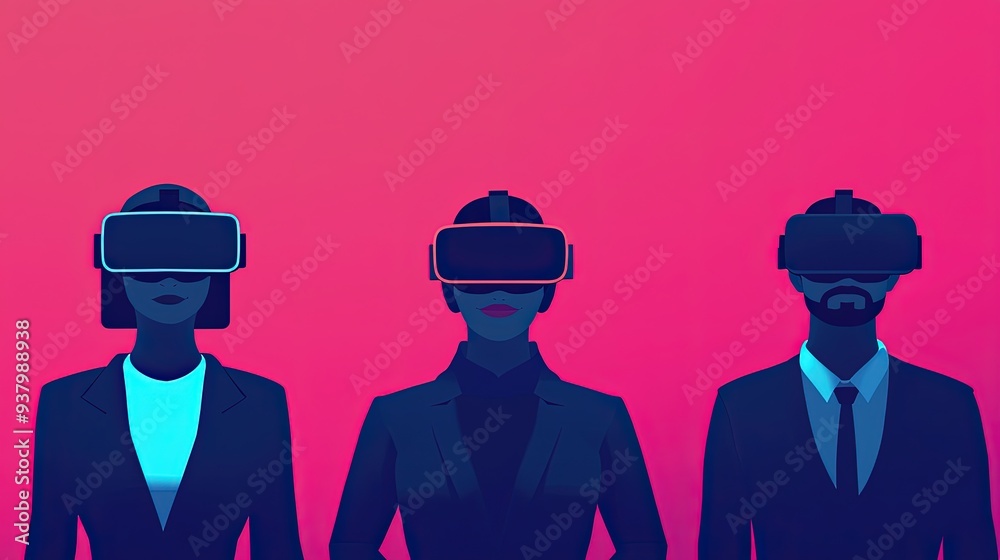
Imagine stepping into your office, but instead of a dreary commute, you simply put on a headset and are transported to a vibrant, collaborative workspace alongside colleagues from around the globe. That's the promise of VR virtual offices, and it's closer than you think.
Let's be honest, remote work can sometimes feel isolating. The constant stream of emails and video calls, while functional, often lacks the spontaneity and connection of in-person interactions. Brainstorming sessions can feel stilted, and those casual water cooler conversations, where so many great ideas spark, are virtually nonexistent.
This article explores the burgeoning world of VR virtual offices and how they are revolutionizing remote work and collaboration by integrating elements of VR gaming to create immersive and engaging workspaces. We'll delve into the benefits, the technology, and the potential future of this exciting new frontier.
VR virtual offices leverage virtual reality technology to create shared, interactive workspaces that mimic the dynamics of a physical office. This blends the convenience of remote work with the collaborative benefits of a traditional office, ultimately enhancing teamwork, communication, and productivity. Explore the fascinating intersection of VR gaming and remote work!
My First Experience in a VR Virtual Office
My first foray into a VR virtual office was, to put it mildly, a little disorienting. I strapped on the headset, and suddenly, I was standing in a brightly lit, open-plan office space. Digital avatars of my colleagues were milling about, some chatting by a virtual whiteboard, others huddled around a holographic project display. It felt strangely real, yet undeniably artificial. The initial novelty was captivating. I spent the first few minutes simply exploring, marveling at the level of detail and the sense of presence. I remember bumping into a virtual desk and almost apologizing to no one. As the meeting commenced, I quickly realized the potential. The shared whiteboard became a dynamic canvas for brainstorming, the spatial audio allowed for more natural conversations, and the ability to express myself through my avatar added a layer of personality that's often missing in video calls. Though a bit awkward at first, the sense of being "present" with my colleagues was undeniable. The feeling of being there, even though physically apart, made me feel connected. VR virtual offices are changing how remote teams interact and collaborate. They’re recreating those essential office dynamics, like spontaneous discussions and collaborative problem-solving, that often suffer in purely digital environments. The key lies in the immersive nature of VR, allowing users to feel more engaged and connected to their coworkers.
What Are VR Virtual Offices?
At their core, VR virtual offices are digital replicas of physical workspaces designed for use with virtual reality headsets. These immersive environments provide a shared space where remote teams can gather, interact, and collaborate as if they were in the same room. Unlike traditional video conferencing, which can feel isolating and impersonal, VR virtual offices offer a sense of presence and spatial awareness that fosters a more natural and engaging experience. Imagine a virtual office where you can walk up to a colleague's desk to ask a question, gather around a whiteboard to brainstorm ideas, or even engage in casual conversations by the virtual water cooler. This is the promise of VR virtual offices. The technology underpinning VR virtual offices is constantly evolving, with advancements in headset technology, motion tracking, and avatar design making the experience increasingly realistic and intuitive. As technology progresses, we can expect VR virtual offices to become more sophisticated, offering even greater levels of immersion and functionality. For example, haptic feedback technology could allow users to physically interact with virtual objects, further enhancing the sense of presence and realism. The evolution is bringing VR gaming and work together.
The History and Myths of VR Virtual Offices
The concept of a virtual office is not new. For years, companies have been experimenting with various forms of remote collaboration tools, from basic email and instant messaging to more sophisticated video conferencing platforms. However, the advent of affordable and accessible VR technology has opened up a whole new realm of possibilities. While the technology is relatively young, the idea of using virtual environments for work and collaboration has been circulating for decades, often depicted in science fiction novels and films. One common myth surrounding VR virtual offices is that they are purely a gimmick or a temporary trend. However, as the technology matures and the benefits become more apparent, it's clear that VR virtual offices have the potential to fundamentally change the way we work. Another myth is that VR is isolating. When in reality, VR virtual offices facilitate more interaction. Many are worried about the costs of implementation, but the reduction in overheads from reduced office space can be substantial. As the world embraces more flexible working arrangements, VR virtual offices are becoming increasingly attractive. They offer a unique blend of the convenience of remote work and the collaborative benefits of a physical office, making them a powerful tool for businesses looking to thrive in the modern workplace. As the world embraces more flexible working arrangements, VR virtual offices are becoming increasingly attractive.
The Hidden Secrets of VR Virtual Offices
One of the lesser-known benefits of VR virtual offices is their potential to foster a more inclusive and equitable work environment. In a traditional office setting, certain individuals may be more likely to dominate conversations or receive preferential treatment based on their physical presence or social status. VR virtual offices can help to level the playing field by creating a more neutral and anonymous environment. Every team member can participate, regardless of geographic location. Avatars can also be customized to project professionalism, or even offer anonymity where it fosters open feedback. By focusing on skills and ideas rather than appearances, VR virtual offices can help to create a more meritocratic and diverse workplace. In addition, VR virtual offices can offer unique opportunities for team building and social interaction. Many platforms include built-in games and activities that allow colleagues to relax and connect in a fun and engaging way. These virtual social events can help to strengthen bonds, improve morale, and foster a sense of community among remote teams. One potential secret is the ability to track employee engagement and productivity in new ways. By monitoring avatar movements, interaction patterns, and task completion rates, managers can gain valuable insights into how employees are working and identify areas for improvement. It is important to be mindful of privacy concerns as well.
Recommendations for VR Virtual Offices
If you're considering implementing VR virtual offices for your team, there are a few key recommendations to keep in mind. First and foremost, it's essential to invest in high-quality VR headsets and equipment to ensure a comfortable and immersive experience. While there are many affordable options available, it's worth spending a little extra to get headsets with good resolution, refresh rates, and tracking capabilities. Another important recommendation is to provide adequate training and support to your employees. VR technology can be intimidating for those who are not familiar with it, so it's important to offer clear instructions, tutorials, and ongoing support to help them get comfortable using the system. It's also crucial to foster a culture of experimentation and feedback. Encourage your employees to explore the VR environment, try out different features, and share their thoughts and suggestions for improvement. Lastly, it is a good idea to try it out yourself. You'll experience firsthand the things that will help your team thrive and be more engaged. By carefully considering these recommendations, you can increase the likelihood of a successful VR virtual office implementation and reap the many benefits that this technology has to offer. Consider the cost and return on investment.
Choosing the Right VR Platform
Selecting the right VR platform is a critical step in establishing a successful virtual office. There's a diverse range of platforms available, each with its own unique features, capabilities, and pricing models. It’s important to carefully assess your team's specific needs and requirements before making a decision. Consider factors such as the size of your team, the types of tasks you'll be performing, and the level of immersion you're looking for. Some platforms are designed for smaller teams and focus on collaboration and communication, while others are geared towards larger organizations and offer a wider range of features, such as project management tools and virtual training modules. It's also important to consider the platform's compatibility with your existing hardware and software. Make sure that the platform supports the VR headsets and operating systems that your team members are using. Furthermore, think about how well the platform integrates with other tools that your team relies on, such as project management software, communication platforms, and file-sharing services. Another factor to consider is the platform's security features. Ensure that the platform offers robust security measures to protect your data and prevent unauthorized access. Look for features such as encryption, access controls, and audit logs. Consider trialing platforms before committing to a long-term subscription.
Tips for Maximizing Productivity in VR Virtual Offices
Transitioning to a VR virtual office requires some adjustments to maximize productivity and ensure a smooth workflow. One key tip is to establish clear guidelines and expectations for communication and collaboration. Define preferred communication channels, response times, and protocols for sharing information. This will help to prevent confusion and ensure that everyone is on the same page. Another important tip is to create a dedicated workspace. Designate a physical space in your home that is specifically for working in VR. This will help you to mentally separate your work life from your personal life and minimize distractions. Make sure that your workspace is comfortable, well-lit, and free from clutter. Take frequent breaks to avoid eye strain and fatigue. VR can be immersive, but it's important to take regular breaks to stretch, rest your eyes, and get some fresh air. This will help you to stay focused and productive throughout the day. Embrace the unique opportunities for creativity and innovation that VR virtual offices offer. Use the immersive environment to experiment with new ideas, brainstorm solutions, and collaborate in new ways. As users become more comfortable, look at team-building activities in VR, from escape rooms to virtual reality games. Lastly, seek continuous feedback and improvement.
Overcoming Challenges in VR Virtual Offices
While VR virtual offices offer numerous benefits, they also present certain challenges that need to be addressed. One common challenge is motion sickness, which can occur when the visual input from the VR headset doesn't match the user's sense of balance. It's important to choose headsets with low latency and high refresh rates to minimize motion sickness. Another challenge is the potential for social isolation. While VR virtual offices can facilitate collaboration, they can also lead to feelings of loneliness and disconnection if not implemented properly. It's important to create opportunities for social interaction and team building within the virtual environment. Another challenge is the potential for technical issues. VR technology can be complex, and technical glitches can disrupt workflow and frustrate users. It's important to have a reliable IT support team in place to troubleshoot issues and provide assistance to users. Addressing the ergonomics of VR use is important. Extended use can cause strain. This includes eye strain and physical strain, and the right equipment helps prevent this. You may also want to create best practices for VR use, to ensure users get the most out of the experience without overdoing it. By addressing these challenges proactively, businesses can create a more positive and productive experience for their employees.
Fun Facts About VR Virtual Offices
Did you know that some VR virtual offices incorporate gamification elements to boost employee engagement and productivity? These elements can include virtual rewards, leaderboards, and challenges that encourage friendly competition and incentivize employees to perform at their best. Another fun fact is that VR virtual offices can be customized to reflect the unique culture and branding of a company. Companies can create virtual office spaces that are tailored to their specific aesthetic preferences and corporate values. Some VR virtual offices even allow employees to customize their avatars to express their individuality and personal style. This can help to create a more inclusive and welcoming environment for employees from diverse backgrounds. VR virtual offices can be designed to recreate famous architectural landmarks or even fantastical environments. Imagine collaborating with your colleagues in a virtual replica of the Roman Colosseum or a futuristic space station! Many VR virtual offices offer features that simulate real-world office distractions, such as background noise and casual conversations. While this may seem counterintuitive, it can actually help to create a more realistic and engaging experience for users. Also, more and more VR platforms are integrating with other technologies, such as AI-powered assistants and voice recognition software, to streamline workflows and enhance productivity.
How to Set Up a VR Virtual Office
Setting up a VR virtual office involves a few key steps. First, you'll need to select a suitable VR platform that meets your team's needs and budget. Research the various platforms available and compare their features, pricing, and compatibility with your existing hardware and software. Once you've chosen a platform, you'll need to acquire the necessary VR headsets and equipment for your team members. Consider factors such as resolution, refresh rate, tracking capabilities, and comfort when selecting headsets. Next, you'll need to configure the virtual office environment. This involves customizing the layout, design, and features of the virtual space to create a collaborative and engaging workspace. Some platforms offer pre-built templates that you can use as a starting point, while others allow for more extensive customization. After configuring the virtual office environment, you'll need to train your team members on how to use the VR system and navigate the virtual space. Provide clear instructions, tutorials, and ongoing support to help them get comfortable using the technology. Finally, establish clear guidelines and expectations for communication, collaboration, and conduct within the VR virtual office. Define preferred communication channels, response times, and protocols for sharing information.
What If VR Virtual Offices Become the Norm?
Imagine a world where the traditional office is a relic of the past, replaced by immersive VR virtual offices. What would the implications be for businesses, employees, and society as a whole? One potential consequence is a significant reduction in commuting. This could lead to lower transportation costs, reduced traffic congestion, and a decrease in carbon emissions. Employees would be able to reclaim valuable time that they currently spend commuting to and from work. Another potential consequence is a shift in the geography of work. Employees would no longer be tied to specific locations and could live anywhere in the world, as long as they have access to a reliable internet connection. This could lead to a more diverse and distributed workforce. VR virtual offices could also foster greater collaboration and innovation. The immersive environment could facilitate more spontaneous and creative interactions between team members. Additionally, VR virtual offices could provide opportunities for employees to develop new skills and expertise through virtual training programs. The accessibility and global reach would increase. However, the downside would include digital divide issues. Those who can not afford to participate would be disadvantaged.
Top 5 Benefits of VR Virtual Offices
Here's a listicle summarizing the top five benefits of adopting VR virtual offices:
- Enhanced Collaboration: VR virtual offices create a shared, immersive environment that fosters more natural and engaging collaboration between remote team members. This can lead to improved communication, brainstorming, and problem-solving.
- Increased Productivity: By eliminating distractions and fostering a sense of presence, VR virtual offices can help employees stay focused and productive throughout the day. The ability to customize the virtual workspace can also optimize workflow and reduce clutter.
- Reduced Costs: VR virtual offices can significantly reduce overhead costs by eliminating the need for physical office space. This can lead to lower rent, utilities, and other expenses.
- Improved Employee Engagement: The immersive and interactive nature of VR virtual offices can boost employee engagement and morale. The ability to customize avatars, participate in virtual social events, and collaborate in fun and creative ways can create a more positive and enjoyable work environment.
- Greater Flexibility: VR virtual offices provide employees with greater flexibility and autonomy. Employees can work from anywhere in the world, set their own hours, and customize their work environment to suit their needs. This can lead to improved work-life balance and increased job satisfaction. The potential downsides can be substantial if they are not managed.
Question and Answer Section about VR Virtual Offices: Work Collaboration in VR Gaming
Q: What equipment is needed to participate in a VR virtual office?
A: You'll typically need a VR headset, motion controllers (optional), and a computer that meets the minimum system requirements of the VR platform you're using. A stable internet connection is also essential.
Q: Are VR virtual offices secure?
A: Security measures vary depending on the platform. Look for platforms that offer encryption, access controls, and audit logs to protect your data and prevent unauthorized access.
Q: Can VR virtual offices help to reduce distractions?
A: Yes, VR virtual offices can help to reduce distractions by creating a dedicated and immersive workspace. By blocking out external noise and visual clutter, employees can focus more easily on their tasks.
Q: What are the potential drawbacks of VR virtual offices?
A: Potential drawbacks include motion sickness, social isolation, technical issues, and the need for training and support. It's important to address these challenges proactively to ensure a positive experience for employees.
Conclusion of VR Virtual Offices: Work Collaboration in VR Gaming
VR virtual offices are poised to transform the future of remote work and collaboration. By blending the immersive qualities of VR gaming with the practical needs of modern businesses, they offer a unique and compelling solution to the challenges of remote work. While challenges remain, the potential benefits of increased collaboration, improved productivity, reduced costs, and greater employee engagement are undeniable. As technology continues to evolve and become more accessible, we can expect VR virtual offices to become an increasingly common sight in the workplace of tomorrow. It is something to watch and be aware of.
Post a Comment